Keynotes and Plenary Presenters
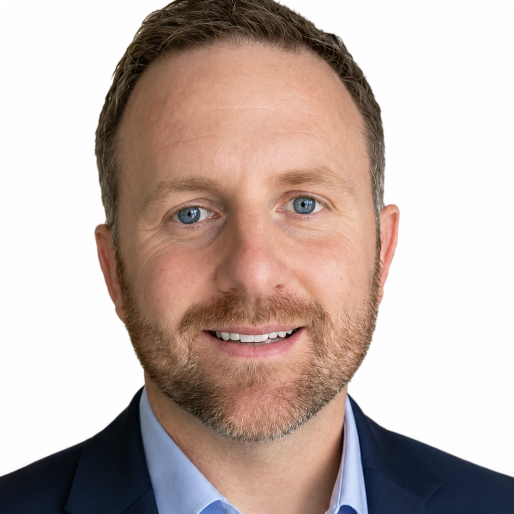 Dr. Tim Noblet
Dr Tim Noblet is a Consultant Physiotherapist at St George’s University Hospitals NHS Foundation Trust, London.
He is an internationally recognised leader in advanced practice physiotherapy, spinal pain, and musculoskeletal healthcare, contributing to research, policy, education, and workforce development across the UK and internationally.
Driving Change in an Evolving Era: Advanced Practice Physiotherapy as a Catalyst for Healthcare Transformation (English)
Healthcare systems worldwide are facing increasing demand, workforce shortages, rising complexity of care, and growing expectations for value-based healthcare. Advanced Practice Physiotherapists are uniquely positioned to address these challenges through expert clinical practice, leadership, education, research, and service innovation.
This session will explore the evolution of advanced practice physiotherapy internationally, highlighting emerging models of care, credentialing frameworks, and the impact of advanced practitioners across orthopaedic and musculoskeletal services. Drawing on international examples and current evidence, the presentation will consider how advanced practice physiotherapy can drive healthcare transformation, improve patient outcomes, enhance system efficiency, and help shape the future workforce in an evolving era.
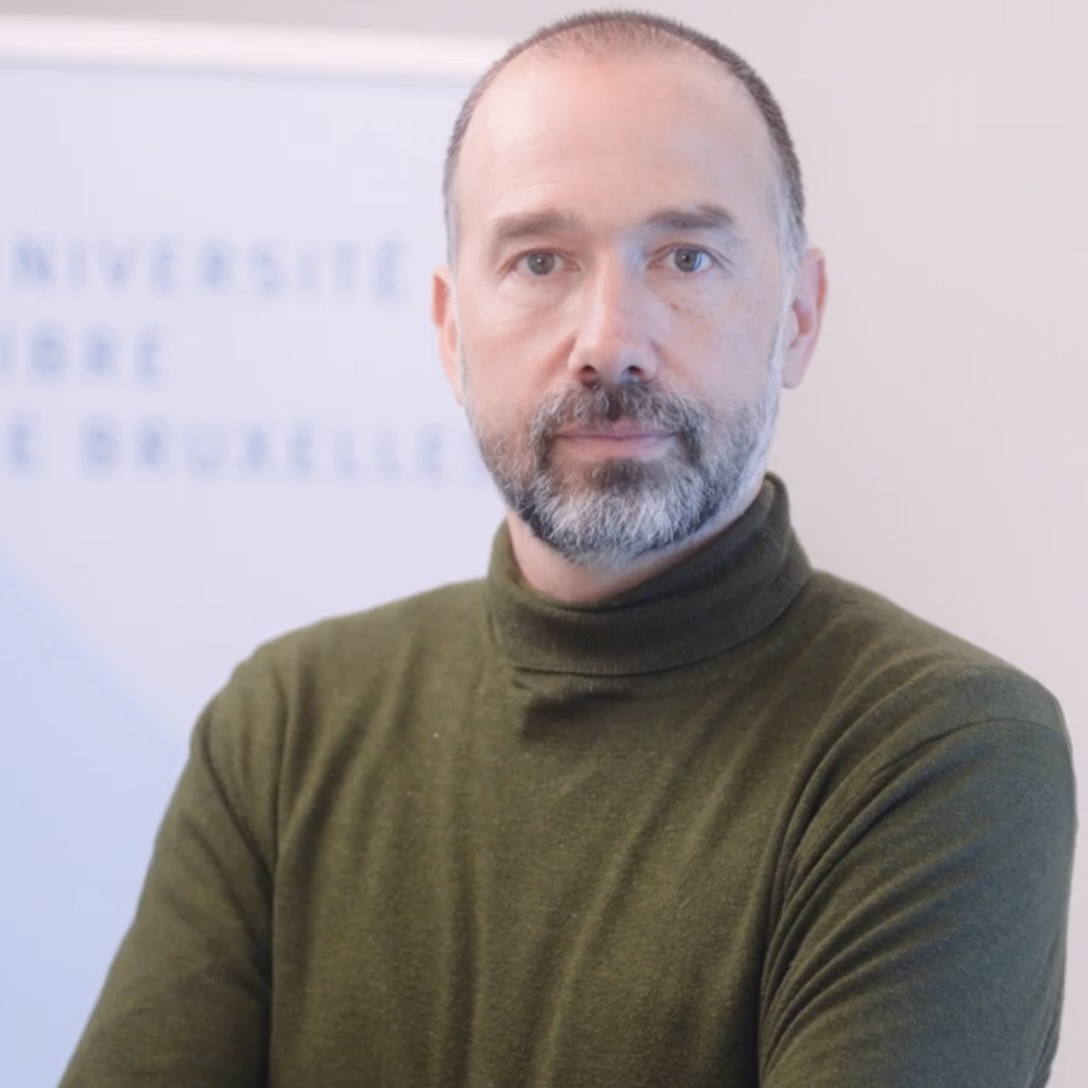
Dr. Joachim Van Cant
Joachim Van Cant, PT, PhD, is Associate Professor at the Université libre de Bruxelles (Belgium), Co-Director of the Department of Physiotherapy and Rehabilitation, and an clinician and researcher in musculoskeletal rehabilitation and sports physiotherapy. He has authored more than 50 scientific publications in these fields.
Muscles fessiers et douleurs fémoro-patellaires : ce que vingt ans de recherche nous ont appris pour la clinique (en français)
Les muscles fessiers occupent une place centrale dans la compréhension et la prise en charge des douleurs fémoro-patellaires depuis plus de vingt ans.
Cette intervention retracera l’évolution des connaissances scientifiques sur le sujet, depuis les premières hypothèses biomécaniques jusqu’aux approches actuelles intégrant les dimensions fonctionnelles et cliniques. À travers une analyse critique de la littérature, nous examinerons ce que les recherches ont confirmé, nuancé ou remis en question, ainsi que les implications concrètes pour l’évaluation et la rééducation des patients présentant des douleurs fémoro-patellaires.
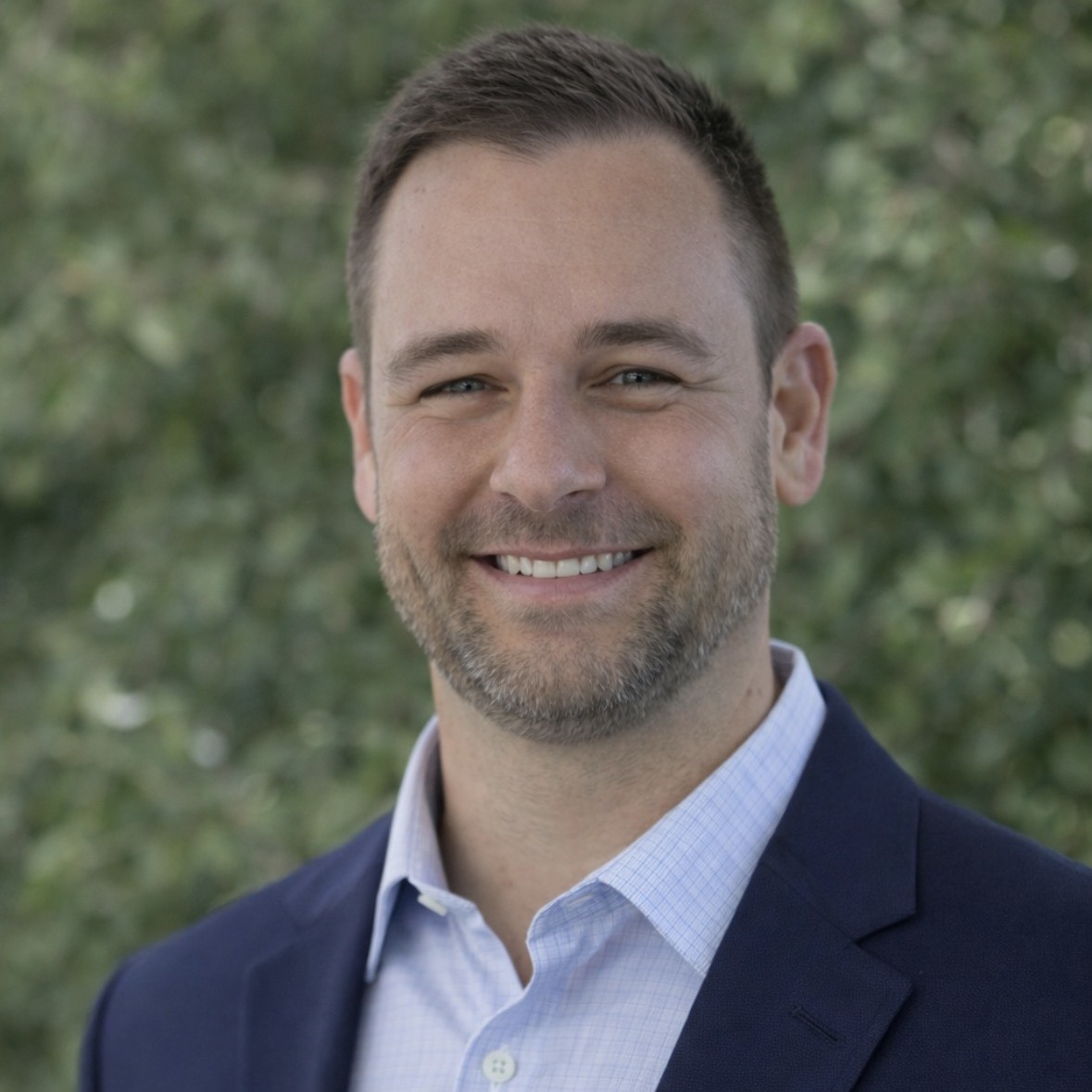
Dr. Mark Shepherd
Mark Shepherd, DPT, DSc, OCS, FAAOMPT is a Program Director of the Orthopedic Manual Physical Therapy Fellowship at Bellin College in Green Bay, WI, in the US. His research focuses on person-centered care in musculoskeletal practice, including the integration of lifestyle behaviours into clinical practice. He continues to practice clinically within the Johns Hopkins Rehab Network in Maryland.
Closing the Gap: Lifestyle Medicine within a Person-Centered Orthopedic PT Approach (English)
This session examines how the six pillar of lifestyle medicine influences those presenting with musculoskeletal pain and offers a practical framework for integraton. Drawing on current evidence and person-centered care principles, attendees will leave with specific, low-barrier strategies for addressing lifestyle factors within the constraints of a biopsychosocial approach. Whether you are new to lifestyle medicine or looking to formalize your approach, this session provides a clinician-ready starting point.
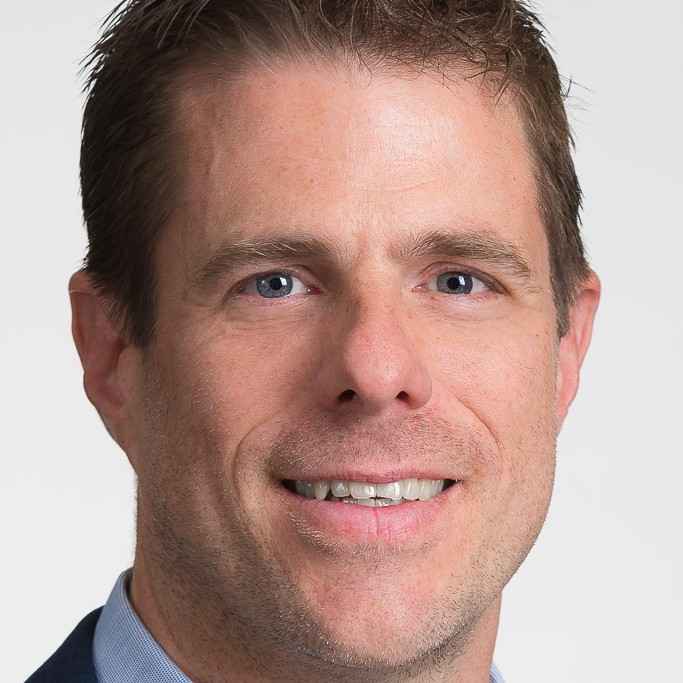 Dr. Jean-Sébastien Roy
Jean-Sébastien Roy is a researcher at the Cirris and a Professor at Université Laval. The objective of his research program is to advance our understanding of the development and chronicity of musculoskeletal disorders, thereby enabling the design of more effective interventions. He has published over 230 articles in peer-reviewed journals and 9 book chapters.
Rotator Cuff–Related Shoulder Pain: Current Evidence and Clinical Implications (English)
This presentation will review current rehabilitation strategies for rotator cuff-related shoulder pain, with a focus on both the range of available therapeutic options and the evidence supporting their use. Emphasis will be placed on translating research findings into practical, clinically applicable approaches. The session highlights high-value, effective interventions to support informed clinical decision-making and optimize patient outcomes. It also underscores the importance of early, targeted management to reduce the risk of symptom persistence and chronicity, a common challenge in rotator cuff-related
shoulder pain when care is delayed or suboptimal.
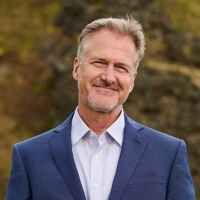 Dr. Chad Cook
Chad Cook, PT, PhD, FAPTA is a Duke University Professor and internationally recognized MSK scholar. He has delivered keynotes in 40 countries, published over 465 peer‑reviewed papers, secured more than $17M in external funding, and earned multiple awards for education, service, and research.
Why Treatments Work……. Differently: Clinical and Research Management of Individual Variability in Musculoskeletal Care (English)
This talk will explore how musculoskeletal treatments unfold differently across individuals, shaped by the complex interplay of patient characteristics, clinical decisions, and contextual forces. Drawing from both research and frontline practice, the talk will discuss how moderators influence recovery trajectories, sometimes amplifying treatment effects, sometimes muting them. The talk highlights why understanding for whom and under what conditions treatments work is essential and why this needs to be a major focus of research moving forward. Attendees will gain a clearer view of how embracing individual differences can strengthen study design, refine clinical reasoning, and ultimately improve patient outcomes.
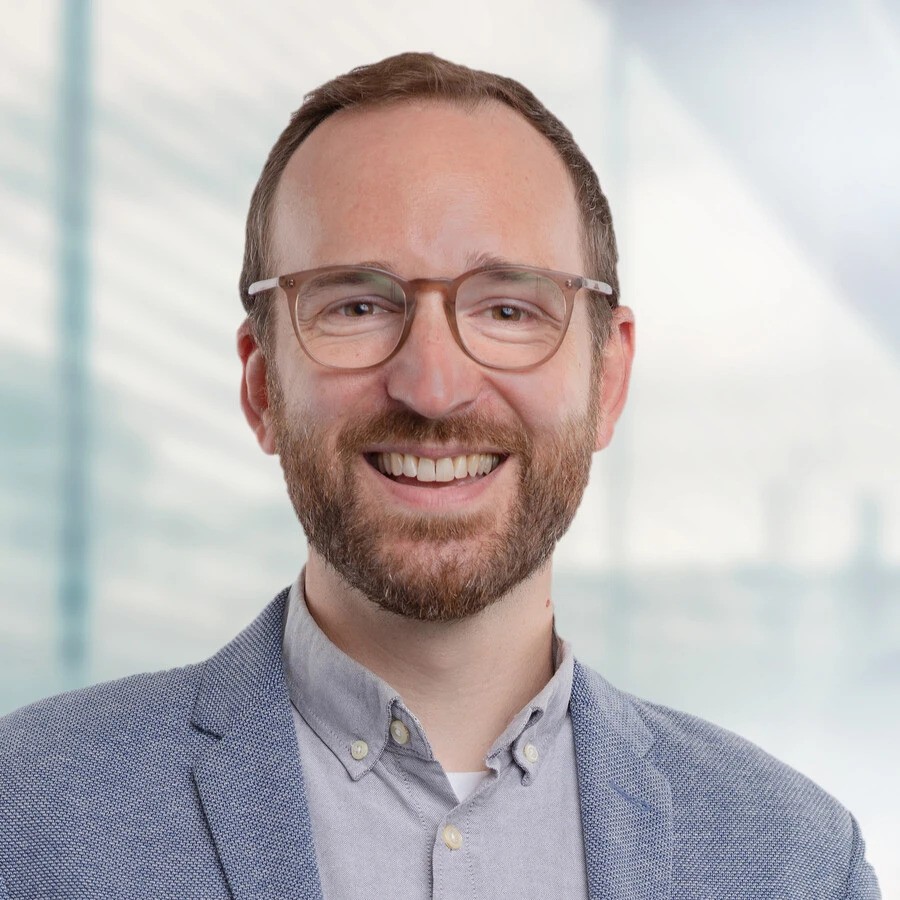 Dr. Jay Shaw
Jay Shaw is the Tier 2 Canada Research Chair in Responsible Health Innovation and an Associate Professor in the Department of Physical Therapy at University of Toronto. He serves as Research Director of Artificial Intelligence (AI), Ethics & Health at the University of Toronto Joint Centre for Bioethics.
The Science and Practice of Physical Therapy in an Age of AI (English)
The health professions are faced with dramatic changes to the knowledge base for clinical practice and an emerging suite of digital tools arising from artificial intelligence (AI). Physical therapy, as a health profession anchored in touch and therapeutic rapport, encounters these changes in unique ways.
In this presentation I will summarize recent developments in the science and practice of physical therapy arising from AI and their implications for evidence-informed orthopaedic care, raising questions about the future of access to current best evidence to inform clinical decision-making. I will then outline a set of developments for continued excellence in physical therapy.
 Dre Catherine Falardeau
Dr. Catherine Falardeau, a general practitioner specializing in hormonal health, has 25 years of experience in emergency medicine, critical care, and chronic disease. Rigorous and dedicated, she studies the influence of hormones on women’s health. A co-founder of the Regroupement des professionnels en hormonothérapie (Quebec Association of Hormone Therapy Professionals), she advocates for improvements in women’s healthcare in Canada.
Quand la douleur articulaire devient un signal hormonal : et si la périménopause changeait notre façon de traiter la douleur? (en français)
Chez de nombreuses femmes, la transition ménopausique transforme le terrain biologique en un terrain propice à la douleur. La chute des œstrogènes, le déficit en progestérone, la baisse relative de testostérone, les dysfonctions thyroïdiennes et la résistance à l’insuline modulent inflammation, douleur, tendon, muscle, cartilage et récupération. Cette conférence propose aux professionnels de la santé un regard intégratif, clinique et concret pour reconnaître ces liens, éviter les diagnostics fragmentés et mieux accompagner les femmes vers une prise en charge plus précoce, personnalisée et fonctionnelle. Elle ouvre aussi une conversation essentielle entre médecine, réadaptation, nutrition, sommeil et santé hormonale féminine durable.