Pre-Symposium Course:
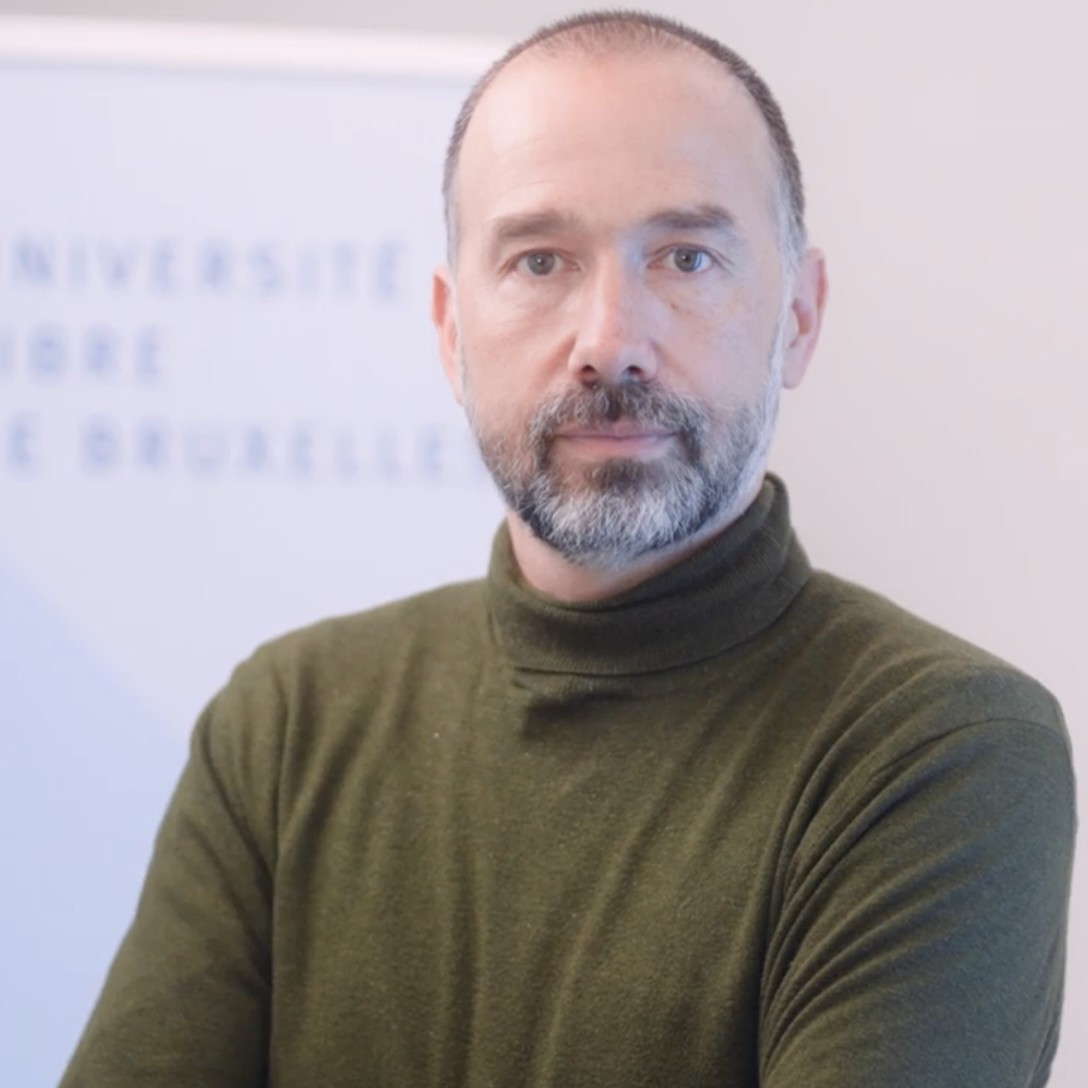
Anterior knee pain: from diagnosis to treatment, illustrated by three representative clinical cases by Dr. Joachim Van Cant (in French)
Date: Thursday April 22, 2026 (8:30 a.m. – 4:30 p.m.) – (25 max)
Location: AQPMA
Course Synopsis:
Anterior knee pain is one of the most common reasons for seeking consultation in musculoskeletal physiotherapy. However, its management is often complex due to the heterogeneity of clinical presentations, the interplay of multiple contributing factors, and the limitations of a strictly structural approach to diagnosis.
This one-day course offers a contemporary approach to the diagnosis and treatment of anterior knee pain, using a pedagogical method centered on three representative clinical cases that serve as a common thread throughout the day. Each case explores a condition frequently encountered in musculoskeletal clinical practice: patellofemoral pain syndrome, patellar tendinopathy, and pain related to the infrapatellar fat pad (Hoffa’s fat pad).
Drawing on these concrete clinical scenarios, participants will develop their clinical reasoning—from the initial history-taking and physical examination to the creation of an individualized therapeutic strategy. Particular emphasis will be placed on identifying the dominant pain mechanisms, interpreting clinical symptoms, analyzing biomechanical and functional factors, and understanding the role of psychosocial factors and load-related issues in the persistence of symptoms.
The course also provides a practical framework for selecting and progressing exercises, managing load, establishing criteria for clinical progress, and adapting treatments based on the patient’s profile and the evolution of their symptoms.
The day will feature a mix of:
- targeted theoretical input;
- interactive discussions;
- case analysis;
- clinical demonstrations;
- and practical workshops focused on assessment and treatment strategies.
The primary objective is to provide clinicians with tools that can be directly applied to daily clinical practice, using clinical cases as an educational framework to structure clinical reasoning and facilitate the integration of theoretical knowledge into therapeutic decision-making.
About Dr. Joachim Van Cant :
Joachim Van Cant, PT, PhD, is Associate Professor at the Université libre de Bruxelles (Belgium), Co-Director of the Department of Physiotherapy and Rehabilitation, and an clinician and researcher in musculoskeletal rehabilitation and sports physiotherapy. He has authored more than 50 scientific publications in these fields.
Fees:
Symposium Attendee – $300
Non-Symposium Attendee – $400
Click here to register.
Post-Symposium Courses
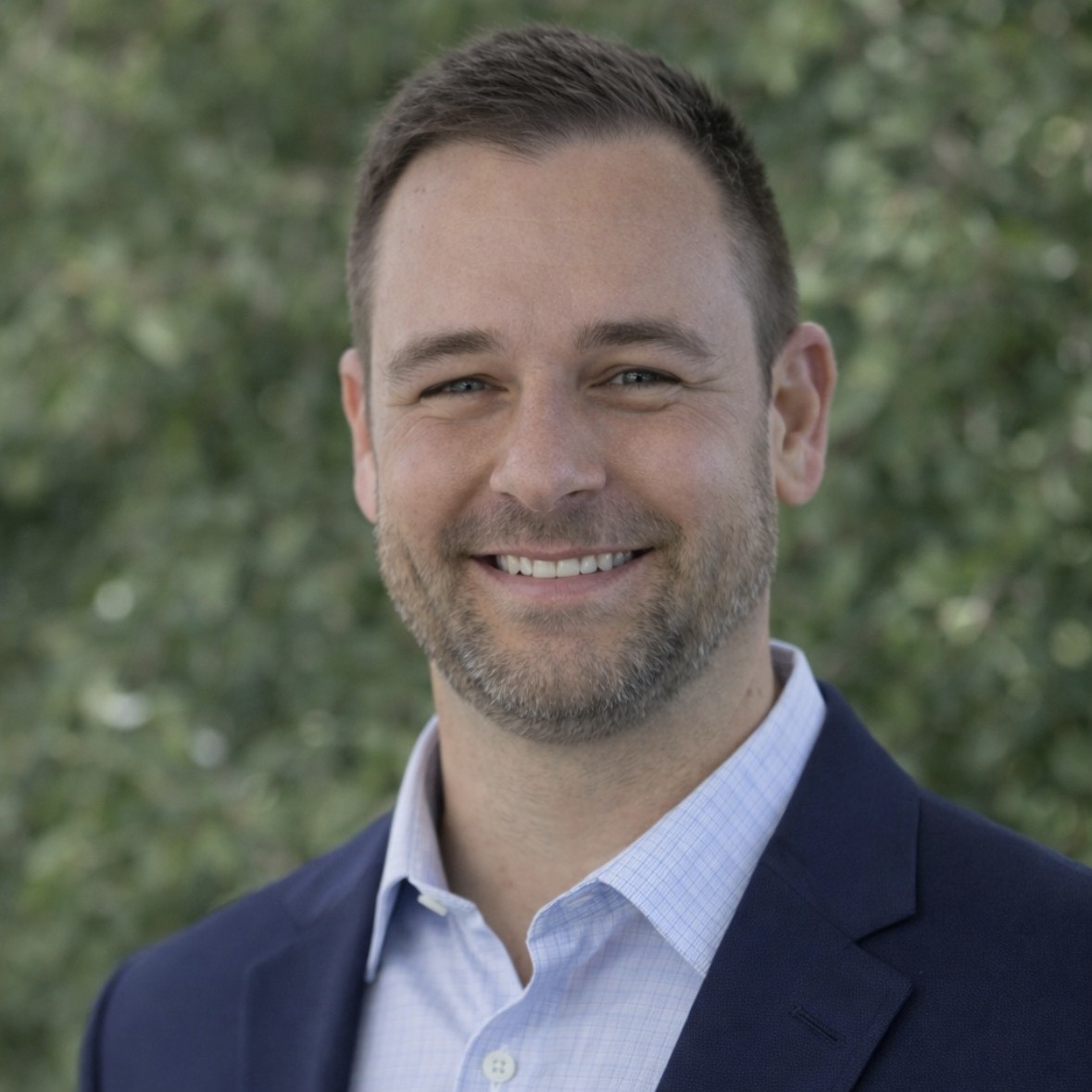
1. Lifestyle Medicine and Behavior Change in Musculoskeletal Physiotherapy: A Clinical Framework for Patient Conversations by Dr. Mark Shepherd (in English)
Date: Sunday, April 25 (2:00 pm – 7:00 pm) – (30 max)
Location: AQPMA
Course Synopsis:
This course applies lifestyle medicine principles to the clinical encounter, focusing on how clinicians talk with patients about sleep, eating habits and physical activity, and other modifiable factors influencing pain and recovery.
Attendees will explore practical communication strategies grounded in behavior change science, including how to raise sensitive topics, build patient buy-in, and integrate these conversations into existing MSK evaluation and treatment without adding significant time to visits.
The course will use a case-based approach where attendees will be actively engaged in decision making. Strategies for implantation will also be explored so the attendee can apply what is learned right away.
About Dr. Mark Shepherd
Mark Shepherd, DPT, DSc, OCS, FAAOMPT is a Program Director of the Orthopedic Manual Physical Therapy Fellowship at Bellin College in Green Bay, WI, in the US. His research focuses on person-centered care in musculoskeletal practice, including the integration of lifestyle behaviours into clinical practice. He continues to practice clinically within the Johns Hopkins Rehab Network in Maryland.
Fees:
Symposium Attendee – $300
Non-Symposium Attendee – $400
Click here to register.
 2. Musculoskeletal Physiotherapy, the Perimenopausal Transition, and Applied Hormonology: From Hormonal Mechanisms to Lifestyle Habits by Dre Catherine Falardeau, General Practitioner with over 25 years of expertise in hormone therapy
(This course will be offered in French; however, a translation app will be available.)
Date: Monday, April 26 (8:30 a.m. – 4:00 p.m.) – (30 max)
Location: AQPMA
Course Synopsis:
Learning Objectives
- Understand the basic physiology of female sex hormones, including hormonal fluctuations in progesterone, estrogen, and testosterone.
- Explain the roles of these three sex hormones in women’s overall health and the consequences of hormonal declines.
- Distinguish between the effects of natural hormones and those of progestins—the hormones used in hormonal contraception—on women’s physical and mental health.
- Describe the specific effects of estrogen, progesterone, and testosterone on pain, tendons, fascia, muscle, bone, cartilage, joint capsules, and tissue recovery.
- Identify common musculoskeletal clinical presentations during perimenopause and postmenopause—beyond osteoarthritis—such as tendinopathies, adhesive capsulitis, bursitis, plantar fasciitis, lateral epicondylitis, and non-specific low back pain.
- Explain how hormonal fluctuations and sleep disturbances influence musculoskeletal pain.
- Assess the impact of insulin resistance and low-grade inflammation on body composition and musculoskeletal pain.
- Examine the functions of thyroid hormones and endocrine comorbidities that modulate clinical presentation and the persistence of symptoms in cases of thyroid dysfunction.
- Recognize clinical signs pointing toward a hormonal, metabolic, or thyroid-related component in women seeking physiotherapy for pain, stiffness, weakness, exercise/load intolerance, or the recurrence of symptoms.
- Develop a structured physiotherapy assessment that accounts for hormonal imbalances—such as deficiencies in progesterone, estrogens, or testosterone—as well as sleep dysfunction, metabolic factors (e.g., insulin resistance), and endocrine issues (e.g., thyroid-related conditions).
- Formulate therapeutic goals, educational messages, and criteria for interdisciplinary referral, tailored to midlife women presenting with persistent or multifocal musculoskeletal pain.
Target audience and intended competencies
- Physiotherapists working in musculoskeletal, pelvic, or women’s health, functional rehabilitation, or chronic pain management.
- Ability to identify clinical profiles where symptoms may be influenced by hormonal and metabolic factors.
- Ability to provide clear, nuanced, and safe education regarding the role of hormones, lifestyle habits, and comorbidities.
- Ability to collaborate with physicians and other healthcare professionals when further investigation or additional treatment is indicated.
About Dr. Catherine Falardeau
Dr. Catherine Falardeau, a general practitioner specializing in hormonal health, has 25 years of experience in emergency medicine, critical care, and chronic disease. Rigorous and dedicated, she studies the influence of hormones on women’s health. A co-founder of the Regroupement des professionnels en hormonothérapie (Quebec Association of Hormone Therapy Professionals), she advocates for improvements in women’s healthcare in Canada.
Fees:
Symposium Attendee – $300
Non-Symposium Attendee – $400
Click here to register.